


The Role of Drones in Industrial Inspection and Maintenance
Visualizing a technician scaling a wind turbine or crawling through a chemical plant’s confined spaces highlights the risks and costs of traditional industrial inspections. Today, surveillance drone technology offers a safer, faster, and more detailed alternative, shaping the future of industrial maintenance and monitoring.
Transforming Industrial Inspections
Drones for industrial inspection have shifted routine maintenance from labor-intensive and hazardous tasks to streamlined digital processes. Using high-resolution cameras and sensors, drones can capture detailed images of infrastructure, pipelines, and equipment, often in areas that are hard to reach or dangerous for people. This shift means you can identify cracks, corrosion, or other faults early, minimizing costly downtime and reducing the risk of accidents.
Deploying a surveillance drone for visual and thermal inspection can cut the time needed to check a solar farm or oil refinery from several days to a matter of hours. UAVs don’t require heavy scaffolding, rope access, or plant shutdowns, so inspections have far less operational impact.
Commercial Drones and Their Utility
Commercial drones are equipped for more than just photography. Many models integrate LiDAR, gas detection, and multispectral sensors, allowing them to deliver rich inspection data for utilities, energy, and manufacturing sites. Drone utility inspection processes make it possible to assess the condition of high-voltage power lines, wind turbine blades, or refinery stacks without exposing workers to high-risk environments.
The choice between UAV vs drone may cause some confusion. In most contexts, these terms are used interchangeably; however, UAV (unmanned aerial vehicle) technically refers to the aircraft itself, while “drone” often includes the complete system, vehicle, controller, and sensors. Whatever the terminology, the trend is clear: organizations are increasingly relying on these devices for data-driven asset management.
Enhancing Security and Compliance
Drone security applications are expanding as industries adopt drones for perimeter monitoring and anomaly detection. Surveillance drones can patrol large facilities, identify unauthorized access, and provide live feeds during emergencies, supplementing or even replacing fixed security cameras. For facilities that must meet strict regulatory or insurance requirements, drone inspection records also provide an auditable trail of maintenance and safety checks.
Choosing the Right Drone for Your Industry
With various platforms on the market, selecting the right system depends on your sector’s needs. Acecore’s drone family, for example, includes robust models capable of stable flight in harsh weather and carrying specialized payloads for inspection, mapping, or security. Look for drones that meet both your technical and operational requirements, flight endurance, sensor compatibility, and ease of integration with your existing workflow.
- Oil and gas: prioritize explosion-proof designs and thermal imaging.
- Utilities: choose drones with extended range and high-voltage isolation.
- Construction: opt for models offering photogrammetry and real-time data streaming.
Looking for Deeper Guidance on Industrial Drone Deployment?
If you’re considering a drone program or upgrading your current inspection process, a comprehensive guide to implementing surveillance drones in industrial settings can clarify regulatory requirements, integration strategies, and ROI benchmarks. Understanding the balance between technology investment and measurable performance gains is key to future-proofing your inspection and maintenance operations.
Read More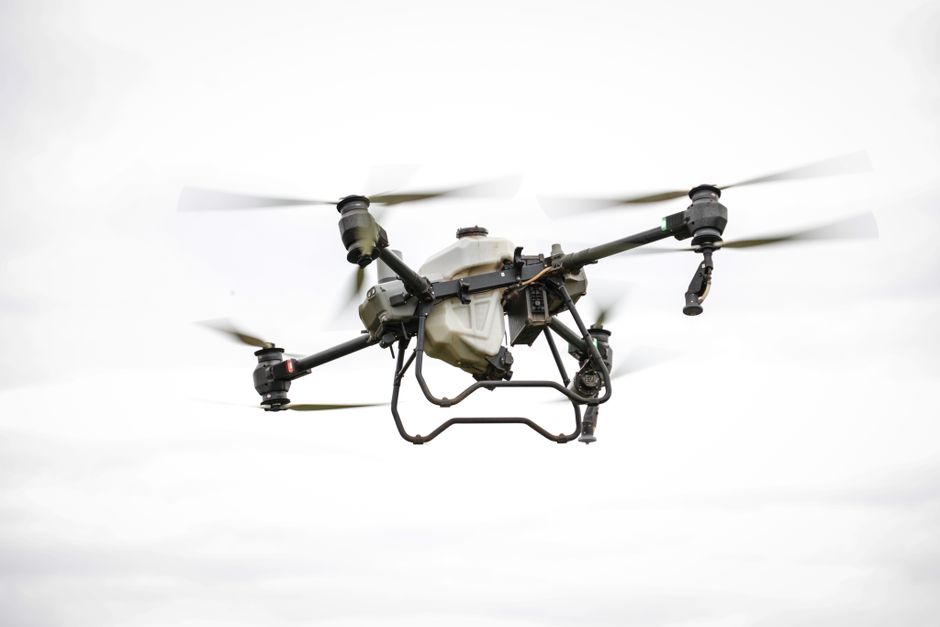
Understanding Drone-Based Stockpile Volumetrics in Industry
Measuring the volume of stockpiles has always been a challenge in mining, construction, and logistics. Traditional surveying methods can be time-consuming and prone to error, especially for large or irregularly shaped piles. Drone-based stockpile volumetrics is rapidly changing this landscape, offering accurate, safe, and efficient volume calculations from the air using advanced UAV technology.
How Drone Surveys Improve Stockpile Measurement
Drone technology enables high-resolution aerial imagery and 3D modeling of stockpiles. A drone flies over the site, capturing overlapping photos that are stitched together with photogrammetry software. This creates a detailed model of the surface, allowing precise volume calculations without the need for ground crews to climb on piles. Using drone-based stockpile volumetrics reduces on-site risk and provides data accurate to within a few centimetres, a significant improvement over handheld GPS or manual estimation.
Industries such as mining and aggregates benefit most, given the scale and frequency of measurement required. With faster data collection, businesses can reconcile inventory more often, identify material loss, and improve operational planning. The process can cover several hectares in under an hour, dramatically cutting labour costs and turnaround time.
Commercial Drones and Their Role in Inspection
Modern commercial drones come equipped with high-resolution cameras and, in some cases, LiDAR sensors. This equipment is not limited to stockpile surveys; operators also use drones for broader industrial inspection, including infrastructure checks and asset monitoring. Drone inspection minimizes the need for scaffolding or shutdowns and can identify issues such as erosion, material displacement, or hazards early on.
- Reduced exposure to hazardous environments for personnel
- Repeatable, consistent data collection for ongoing monitoring
- Integration with mapping and asset management platforms
When comparing uav vs drone, the terms are often used interchangeably in practice. Technically, UAV refers to the flying vehicle itself, while “drone” has become the broader term for both the aircraft and its system of sensors and controls.
Drone Utility Inspections and Security Applications
Beyond volume measurement, many industries use drones for utility inspection and security surveillance. Power companies, for example, deploy drones to inspect transmission lines and substations, spotting damage or vegetation encroachment that could lead to outages. In logistics or high-value storage yards, a surveillance drone patrols perimeters, supplementing or replacing fixed cameras for greater coverage.
Drone security operations offer rapid incident response and real-time situational awareness for site managers. With automated flight plans and live feeds, drones can help detect intrusions or unsafe conditions before they escalate.
What to Know About Getting a Drone Pilot License
Operating commercial drones for industrial use is regulated in most regions. If you’re interested in getting a drone pilot license, you will need to complete a certification process that includes knowledge of airspace rules, operational safety, and practical flight assessments. Many organisations also require operators to adhere to strict protocols to protect data and privacy. Keeping up with evolving regulations ensures safe and compliant drone operations for all types of industrial missions.
Where to Find In-Depth Resources on Drone Survey Integration
If you are looking to expand your knowledge on integrating drones into your industrial workflow, seek out detailed guides on drone data processing or case studies of successful implementations. These resources can help you evaluate which drone systems, sensors, and software will best fit your site’s needs. For those focused on maximizing ROI and compliance, a deeper dive into drone operations management is the logical next step.
Read More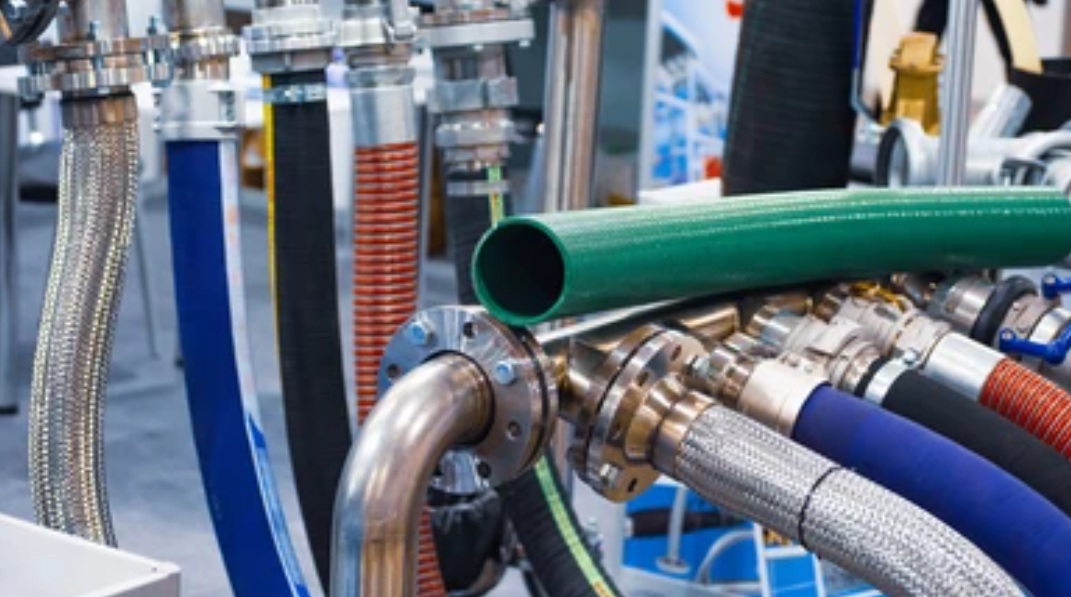
Hochwertige Industrieschläuche für vielseitigen Einsatz
Industrieschläuche sind unverzichtbare Komponenten in vielen industriellen Anwendungen. Sie kommen in unterschiedlichsten Bereichen wie der Chemie-, Lebensmittel- oder Maschinenbauindustrie zum Einsatz. Dank ihrer Vielseitigkeit bieten sie nicht nur Lösungen für den Transport von Flüssigkeiten, sondern auch für Gase und Schüttgüter. In diesem Artikel werden wir die verschiedenen Arten, Materialien und Einsatzmöglichkeiten von hochwertigen Industrieschläuchen näher betrachten.
Arten von Industrieschläuchen
Es gibt zahlreiche Arten von Industrieschläuchen, die auf die individuellen Anforderungen unterschiedlichster Branchen abgestimmt sind. Zu den gängigsten Typen gehören:
- Wasserschläuche
- Ölschläuche
- Luftschläuche
- Lebensmittelschläuche
- Saugschläuche
Jeder dieser Schläuche hat spezifische Eigenschaften und Vorteile. So sind beispielsweise Lebensmittelschläuche besonders wichtig, da sie strengen Hygienestandards genügen müssen. Ölschläuche hingegen sind so konzipiert, dass sie auch bei hohen Temperaturen und Drücken zuverlässig funktionieren.
Materialien und Konstruktion
Die Materialwahl für einen Industrieschlauch ist entscheidend für seine Leistungsfähigkeit. Zu den häufigsten Materialien gehören:
- Gummi
- Kunststoff
- Textilien
- Metall
Jedes Material hat seine eigenen Vorzüge. Gummi wird oft für seine Flexibilität und Haltbarkeit geschätzt, während Kunststoffe wie PVC oft leichter und korrosionsbeständiger sind. Textilverstärkungen sorgen für zusätzliche Stabilität und verhindern, dass der Schlauch unter Druck platzt.
Einsatzmöglichkeiten von Industrieschläuchen
Die Einsatzmöglichkeiten für Industrieschläuche sind beinahe unbegrenzt. Sie finden Anwendung in:
- Produktion und Fertigung
- Bau und Landwirtschaft
- Transport und Logistik
- Medizin und Pharmazie
In der Produktion transportieren sie beispielsweise Wasser oder Schmierstoffe; in der Landwirtschaft werden sie für die Bewässerung eingesetzt. Ihre Flexibilität ermöglicht es, dass sie in nahezu jedem Kontext genutzt werden können, in dem Flüssigkeiten oder Gase transportiert werden müssen.
Wichtige Kriterien bei der Auswahl
Bei der Auswahl eines hochwertigen Industrieschlauchs sollten einige Kriterien berücksichtigt werden:
- Temperatur- und Druckbeständigkeit
- Chemische Beständigkeit
- Flexibilität und Biegeradius
- Lebensdauer und Wartungsanforderungen
Die Berücksichtigung dieser Faktoren sorgt dafür, dass der gewählte Industrieschlauch alle Anforderungen der spezifischen Anwendung erfüllt. Auf dieser Grundlage lässt sich die richtige Entscheidung treffen, um eine langfristige Verlässlichkeit zu gewährleisten.
Wo man hochwertige Industrieschläuche findet
Für Unternehmen, die auf der Suche nach zuverlässigen und qualitativ hochwertigen Industrieschläuchen sind, bietet sich https://www.frenztechnik.de als exzellente Ressource an. Hier findet man eine breite Palette an Schläuchen, die auf die Bedürfnisse unterschiedlichster Industrien zugeschnitten sind. Darüber hinaus erhält man dort auch wertvolle Informationen über Anwendungsgebiete und technische Spezifikationen.
Die Zukunft der Industrieschläuche
Die fortschreitende Technologie und neue Materialien werden die Entwicklung von Industrieschläuchen weiterhin beeinflussen. Zukunftstrends deuten darauf hin, dass neben der Leistungsfähigkeit auch Nachhaltigkeit und Umweltfreundlichkeit eine zunehmende Rolle spielen werden. Der Einsatz von biologisch abbaubaren Materialien könnte in den kommenden Jahren einen wichtigen Schritt in Richtung einer nachhaltigeren Industrie darstellen.
In der modernen Industrie ist ein hochwertiger Industrieschlauch nicht nur ein einfacher Transportweg, sondern trägt wesentlich zur Effizienz und Sicherheit von betrieblichen Abläufen bei. Egal in welchem Bereich, die richtige Wahl eines Schlauchs kann entscheidend für den Erfolg eines Unternehmens sein.
Read More
Curating a Meaningful Wardrobe: Fashion as a Reflection of Values
The Intersection of Fashion and Values
Fashion is often perceived merely as a means of self-expression or a way to follow trends. However, there is a deeper significance behind what we wear—it serves as a reflection of our values and beliefs. In recent years, there has been a significant shift towards conscious consumerism. Individuals now pay more attention to the brands they support and the messages behind their clothing. This movement invites us to curate wardrobes that not only showcase our style but also align with our moral compass.
For instance, let’s consider the notion of “old money summer style.” Characterized by understated elegance and timeless pieces, this aesthetic emphasizes quality over quantity and tradition over trends. By embracing this style, individuals communicate a values-driven approach to fashion. Instead of constantly chasing fleeting styles, the focus shifts towards cultivating a wardrobe filled with classic items that tell a story and embody a legacy.
A Personal Narrative in Fabric
The clothes we wear often narrate our personal stories and represent our beliefs. To create a meaningful wardrobe, one should begin by assessing the values that are most significant to them. Here are some questions to ponder:
- What causes resonate with you? (e.g., sustainability, local artisans, ethical labor)
- Are there historical or cultural elements you wish to honor in your wardrobe?
- Do you prefer investing in timeless pieces, or are you more drawn to contemporary and trend-driven clothing?
Reflecting on these questions will help steadily shape the pieces you choose to incorporate into your wardrobe. Fashion can serve as an influencer of your lifestyle choices, defining how you want to present yourself to the world. By thoughtfully selecting garments that encapsulate your personal narrative, you can curate a wardrobe that carries meaning beyond mere aesthetics.
The Shift to Sustainable Fashion
Another essential aspect of curating a meaningful wardrobe is sustainability. The fashion industry has substantially contributed to environmental degradation, and the need for a more eco-conscious approach is imperative. Sustainable fashion emphasizes the importance of ethical production, sourcing materials responsibly, and reducing waste.
Brands that prioritize sustainability often invest in high-quality materials and craftsmanship, resulting in durable pieces that transcend seasonal trends. Instead of having a closet full of fast fashion that disintegrates after a few wears, why not invest in a few high-quality staples? This initiative not only aligns with values of sustainability but also promotes a lifestyle that is both stylish and responsible. Many individuals who embrace a sustainable lifestyle find that experts, like professionals from Baindoux, can guide them in making more informed fashion choices that reflect their values.
The Power of Minimalism
Minimalism is another trend that complements the idea of a meaningful wardrobe. A minimalist approach centers on the belief that less is more, advocating for a curated collection of versatile pieces that can be mixed and matched. By reducing clutter in one’s wardrobe, individuals can focus on the quality, fit, and timelessness of their clothing.
This method also encourages mindful shopping. If a piece does not fulfill a specific need or cannot blend well with existing items, it is wise not to include it. By focusing on quality rather than quantity, you develop a wardrobe that is easier to navigate while staying true to your values.
Fashion as a Lifelong Journey
Curating a meaningful wardrobe is an evolving process that reflects both personal growth and changing values. It’s not about perfection but rather about the journey of discovering what resonates with you. Finding the right balance between style, ethics, and personal identity requires patience and dedication. Regularly reassessing your wardrobe can help you stay aligned with your values and intentions.
Ultimately, fashion should be a source of joy and empowerment. By embracing a wardrobe that genuinely represents who we are, we can foster self-confidence while promoting meaningful change in the fashion industry.
Wardrobes That Speak Volumes
In reflecting on our clothing choices, we unlock the potential for fashion to be more than fabric. It can be a profound expression of our values, inspirations, and commitments to a better world. By curating a wardrobe that aligns with these principles, we partake in a narrative that transcends mere clothing and speaks volumes about who we are.
Read More
Run a Marathon
Long distance races have establishes in old history, following their set of experiences back to the clashes of old Greece. It is from here that we get one of the most established athletic occasions, with a rich history and legacy that long distance runners invest heavily in.
What is a Marathon?
The official length of significant distance foot races known as long distance races is 42.195 kilometers. The historical backdrop of long distance races and the separation goes right back to antiquated Greece. As indicated by the legend of long distance races, when the Greek had won the fight with the Persians, known as the Battle of Marathon, a sprinter named Pheidippides was shipped off spread the word in Athens. Pheidippides is said to have shown up in Athens, detailed the news and afterward kicked the bucket from weariness before long.
The good ways from the milestone to Athens was around 40 kilometers, which in the long run developed into the official separation for long distance races of today. Various creators have remembered the narrative of Pheidippides for a few tunes and sonnets, for example, crafted by Robert Browning. The sonnet made by Browning was the motivation of Michal Breal, who is the minds behind the association of the 1896 Olympic Games. These games incorporated a long distance race.
In the long distance races of today, a racecourse is set out by coordinators to meet the necessary separation that was set in 1908 by the Olympic Games in London. As per the race, sprinters either start all simultaneously in one major monstrous beginning, isolated by capacity and sex, or conveyed in waves.
The courses of long distance races are normally left open for a particular time allotment, by and large for around four hours. Sprinters who don’t finish the whole course are gotten and moved to the end goal. For long distance races that are comprised of an enormous gathering of unpracticed sprinters, the course is normally left open for a more drawn out time so they can wrap up.
Read More
Running Your First Marathon
Your first long distance race makes certain to be probably the best accomplishment of your lifetime, so be certain that you plan appropriately and make it a positive encounter in general. There are endless things to consider when running your first long distance race, yet I’ll give you ten of the more significant ones.
The FIRST thing that you need to do is persuade yourself that you can run a long distance race. On the off chance that you can do this, at that point almost certainly, your first long distance race won’t be your last. Being persuaded that you can accomplish something is a large portion of the fight. It’s the psychological side, and relying upon the individual it very well may be the least demanding or the hardest part.
Since you’ve persuaded yourself that you can run a long distance race, you have to affirm it. The second thing you have to do, and this is as significant as the first, is to go see your medical services supplier. Reveal to them that you are persuaded you can run a long distance race, yet before you run your first long distance race or even beginning preparing for your first long distance race you need them to guarantee you that your body is truly capable.
Since you’ve affirmed it, the third thing you have to do is share it with your companions, family and colleagues. You need to get all the help you can for your first long distance race (and all your future long distance races). A few people think they need to stay quiet about their first long distance race, yet having individuals know your objective of running your first long distance race is a solid inspiration to succeed when circumstances become difficult. Having individuals realize you will likely run your first long distance race is likewise an extraordinary help component; and you will require uphold as you go after the objective of your first long distance race.
Read MoreRecent Posts
 The Role of Drones in Industrial Inspection and Maintenance
 Understanding Drone-Based Stockpile Volumetrics in Industry
 Hochwertige Industrieschläuche für vielseitigen Einsatz
 Curating a Meaningful Wardrobe: Fashion as a Reflection of Values
 What is yearn.finance?
 Polkadot price prediction: DOT looks at its ATH
 Run a Marathon
 Running Your First Marathon
Marathon